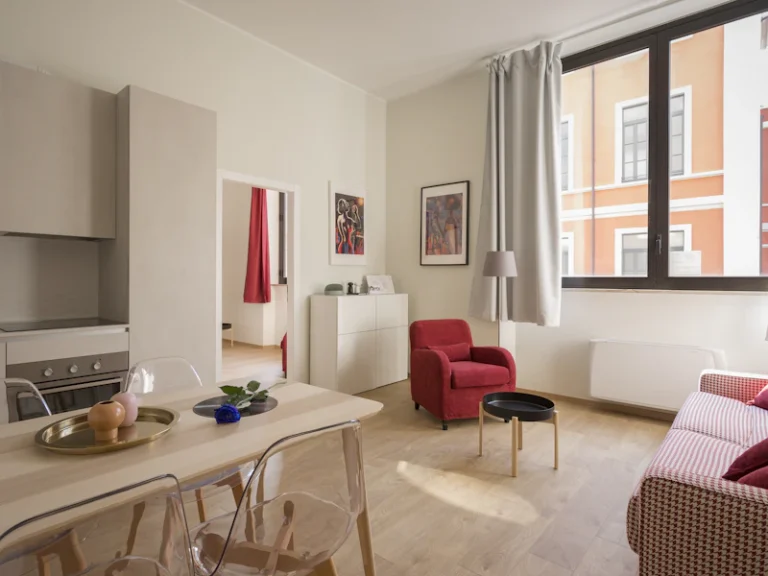
25 Small Apartment Organization Ideas for Renters
If your apartment always feels a little bit messy, no matter how often you tidy, here is the truth nobody tells renters: it is probably not your fault. Most rentals were never designed with storage in mind. There is no pantry, no linen cupboard, no coat closet that actually fits coats, and the one closet you do have is shallow, dark, and already full. You are trying to live a whole life in a space that was built to look good in photos, not to hold your things.
That is why small apartment organization ideas for renters have to work differently from the advice aimed at homeowners. You cannot rip out a wall, build in shelves, or drill a dozen holes and hope the landlord does not notice. You need ideas that are removable, affordable, and portable — things you can take with you when you move, and things that will not cost you your deposit when you leave.
Every idea in this list passes that test. Nothing here needs a drill, a paintbrush, or permission from your landlord. Most of the ideas cost under $25, many cost under $10, and several cost nothing at all. Work through the list room by room, start with the spot that bothers you most, and give yourself permission to do it slowly. An organized apartment is not a perfect apartment. It is one where you can find your keys, cook dinner without clearing the counter first, and sit down at the end of the day without tripping over shoes.
Before you buy anything: the 3 renter rules
Before you spend a dollar on bins and hooks, learn the three rules that keep renters out of trouble. They will save you money, save your walls, and save you from buying the wrong thing twice.
1. If it cannot leave with you, do not buy it
Renting means everything you buy is either portable or it is a gift to your landlord. Before you buy any organizer, ask yourself: can I pack this up and take it to my next place? A good bin, a rolling cart, a shelf riser, and a set of hooks all pass that test. A built-in shelf, a glued-on rack, or anything screwed into the wall does not. Buy things you will still want in a different apartment, in a different layout, with different cupboards. That one question stops most impulse buys in a home store, and it means your $25 starter kit keeps working for you long after you move.
2. Nothing goes up with a drill — use removable fixings, and let them cure
Command strips, tension rods, and over-door hooks are a renter’s best friends, but only if you use them properly. Clean the surface first, press the strip firmly for thirty seconds, and then — this is the part most people skip — leave it alone for an hour before you hang anything on it. Adhesive needs time to cure and bond properly, and hanging a heavy bag on a fresh strip is how hooks end up on the floor at 2 a.m. Check the weight rating on the pack, use the right size for the job, and never hang anything valuable or breakable from a single small hook. When you move out, pull the tab slowly straight down, exactly as the instructions say, and the strip should come away cleanly.
3. Measure the space, then measure the product
Small apartments punish guessing. A bin that is half an inch too wide will not fit under your bed, a shelf riser that is too tall will stop the cupboard door closing, and a shoe rack that is too deep will block the front door. Measure the width, depth, and height of the space first, write the numbers in your phone, and take them with you when you shop. Measure the product too — not just what the label says, but the real size, including handles and lids. It takes two minutes and it is the difference between an organizer that works and one that sits in a corner, in the way, until you give it away.
The $25 starter checklist
If you buy nothing else, buy these five things. Together they fix the most common problems in almost every small rental, and you can build the rest of this list on top of them.
| What to buy | Typical price | Where to use it |
|---|---|---|
| Clear bins with lids, 3–4 | $1.25–$6 each | Under the bed, in the closet, and in the pantry |
| Command strips and hooks, mixed pack | $8–$12 | Walls, doors, and inside cabinets |
| Over-door hook rack | $5–$10 | Entry, bathroom, and bedroom doors |
| Shelf risers, 2 | $1.25–$5 each | Kitchen and bathroom cabinets |
| Slim velvet hangers, 20-pack | $6–$10 | Closet |
Prices are typical US store prices and vary by store and season. Dollar Tree, IKEA, Target, and Amazon all carry versions of these at the low end of the range, and second-hand shops are worth checking first.
Entryway: ideas 1–4
The entryway sets the tone for the whole apartment. If coats, shoes, and mail pile up by the front door, the rest of the place never really feels tidy, even when it is. These four ideas give everything that comes through the door a home of its own, in a space that is often no bigger than a doormat.
1. Hang an over-door hook rack for coats and bags
An over-door hook rack is the single most useful thing you can put by your front door. It hooks over the top of the door, so there is nothing to install, and it instantly gives you four or five places to hang a coat, a tote bag, a dog lead, or an umbrella. Choose one with a mix of single and double hooks, and keep only the coats you actually wear this week on it — the rest belong in the closet.
Renter note: Pick a rack with a slim, flat hook that will not mark the door, and check that the door still closes easily before you load it up.
2. Put a slim shoe tray by the door
Shoes are what make a small entryway look messy fastest. A slim tray, just deep enough for two pairs, catches mud, rain, and grit, and it quietly tells everyone in the household where shoes live. Keep only the pair you are wearing today and the pair you will wear tomorrow on the tray, and move the rest to the closet or under the bed.
Renter note: A tray protects the floor from wet shoes, which is exactly the kind of small damage landlords notice at move-out.
3. Add a small catch-all tray or bowl for keys and mail
Keys, sunglasses, and that letter you meant to open three days ago all need one landing spot. A small tray or a pretty bowl on a shelf, a narrow console, or even on top of a rolling cart stops them from spreading across every surface in the apartment. Empty the tray once a week, recycle the junk mail, and file the rest — it takes two minutes and it ends the daily hunt for your keys.
Renter note: A tray is fully portable, so you can move it to a new spot if your next apartment has a different entry layout.
4. Use a narrow rolling cart as a mini entry station
If you have no hallway table, a narrow three-tier rolling cart does the same job in about a foot of floor space. The top tier holds your keys and mail, the middle tier holds gloves, hats, and sunscreen, and the bottom tier holds reusable shopping bags and a spare umbrella. Because it has wheels, you can roll it out of the way when guests come over, or roll it into the closet when you need the floor space.
Renter note: Measure the gap beside your door first — a cart that is too wide will block the door from opening fully.
Living room: ideas 5–9
The living room has to do a lot in a small apartment: it is a lounge, an office, a dining room, and sometimes a guest bedroom. The trick is to give it storage that looks like furniture, not like a warehouse.
5. Go tall and narrow instead of wide and low
When floor space is scarce, the only direction left is up. A tall, narrow bookshelf uses the same footprint as a small side table but holds four times as much, and it draws the eye upward, which makes the room feel bigger. Anchor it with your heaviest books on the bottom shelf, keep the top shelf for light, rarely used things, and leave a little breathing room on each shelf so it does not look crammed.
Renter note: If you cannot drill into the wall to anchor a tall shelf, keep it low enough to be stable, load the bottom heavily, and never put it where a child or pet could pull it over.
6. Keep closed boxes and baskets on the lowest shelves
Open shelves look lovely in photos and messy in real life. Put the things you use every day — chargers, remote controls, board games, craft supplies — in closed boxes or lidded baskets on the lowest shelves, where they are easy to reach and easy to hide. Choose boxes in one or two matching colours so the shelf reads as calm and intentional, rather than as a jumble of packaging.
Renter note: Label the boxes, even if you think you will remember what is inside. Future you, in a hurry, will be grateful.
7. Slide low bins under the sofa and coffee table
The space under your sofa is storage you already own and probably are not using. Low, flat bins slide neatly underneath and are perfect for things you need only sometimes: spare blankets, board games, wrapping paper, or out-of-season throws. Measure the clearance first — most sofas have only a few inches — and choose bins with a handle or a pull tab so you can slide them out without moving the sofa.
Renter note: Keep bins off the floor in damp apartments, and check underneath occasionally so dust does not build up unnoticed.
8. Choose a storage ottoman or a lift-top coffee table
Double-duty furniture is the renter’s secret weapon. A storage ottoman holds blankets, magazines, and the remote controls, and it doubles as extra seating when friends come over. A lift-top coffee table gives you a work surface for a laptop and a hidden compartment underneath for notebooks and chargers. When you are choosing between two similar pieces, always pick the one that stores something.
Renter note: Buy furniture you can carry out of the apartment on your own, or with one friend — if it only fits through the door with a team, it will be a problem when you move.
9. Corral cords with an adhesive cable box
A tangle of chargers and power strips makes even a tidy living room look chaotic, and it is a dust trap too. A cable box hides the power strip and the spare plugs, with just the cords you need coming out of the slots. Stick it to the side of a TV stand or tuck it behind the sofa with adhesive strips, and label each charger so you are not unplugging the wrong thing.
Renter note: Use adhesive fixings, not screws, and keep the box where air can circulate — never cover a power strip with fabric or bury it under cushions.
Kitchen: ideas 10–14
Small rental kitchens are usually short on counter space, short on cupboard space, and short on patience. The goal is not a show kitchen. It is a kitchen where you can find the rice, reach a pan, and cook dinner without moving five things first.
10. Decant dry goods into matching clear jars
Half-empty bags of rice, pasta, and flour flop around, spill, and make a cupboard look full when it is not. Decanting them into matching clear jars with tight lids changes everything: you can see at a glance what you have and what you are running low on, the jars stack neatly, and the cupboard suddenly looks calm. Start with the five things you use most — rice, pasta, oats, flour, and sugar — and label each jar with the contents and the cooking time if that helps.
Renter note: Jars are portable and reusable, so this is money you will not lose when you move — just pack the jars, lids on, and go.
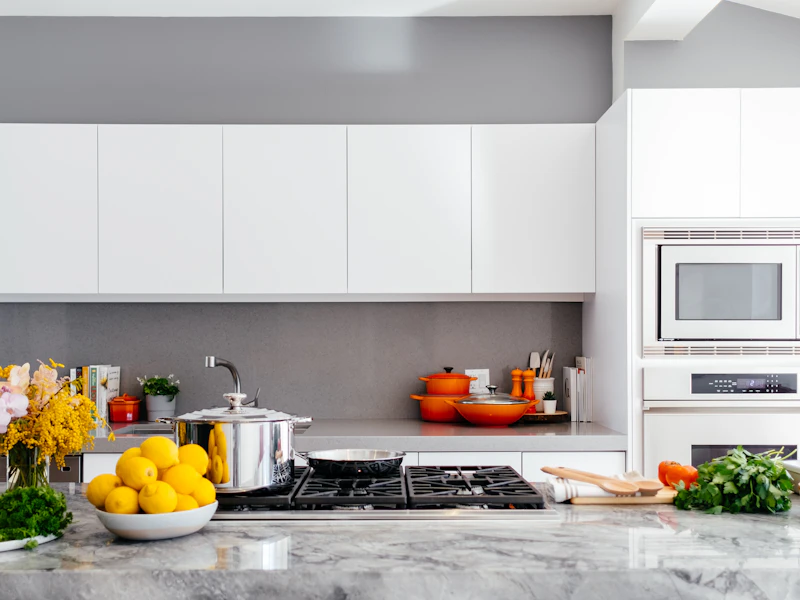
11. Add shelf risers inside your cabinets
Most kitchen cabinets waste the top half of their space. A shelf riser creates a second level inside the cupboard, so mugs can live above plates, or spices can live above tins, without anything getting buried at the back. They cost a few dollars, they need no installation, and they instantly double the usable space in a cupboard. Measure the height of your tallest mug first, so the riser does not make the top shelf too short to use.
Renter note: Choose freestanding risers that lift out in seconds — nothing that needs to be screwed or glued to the shelf.
12. Use organizers inside cabinet and under-sink doors
The inside of a cabinet door is free real estate. A small adhesive rack or a hanging organizer on the inside of the door holds cling film, foil, and spice jars, while a rack under the sink holds cleaning sprays upright and keeps them from toppling every time you reach for the dish soap. Keep only the cleaning products you use weekly under the sink, and move the rest to a higher shelf or a hall cupboard.
Renter note: Use adhesive or over-door fixings on the inside of doors, never screws, and test adhesive in a hidden spot first in case it leaves a mark.
13. Roll a cart into the fridge gap or use it as pantry overflow
That narrow gap between the fridge and the wall, or between the counter and the door, is usually wasted. A slim rolling cart slides right in and becomes a pantry on wheels: tins on the bottom, oils and sauces in the middle, snacks on top. When you need something, pull the cart out, take what you need, and slide it back. It works just as well as a drinks cart, a coffee station, or a place to keep the things that never quite fit in the cupboards.
Renter note: Measure the gap before you buy, and leave a little clearance on each side so the cart rolls freely without scraping the wall or the fridge.
14. Keep only a daily kit on the counter
Counters disappear fast when every appliance, utensil, and gadget lives on them. Choose a daily kit — the things you genuinely use every single day, such as a kettle, a chopping board, and a knife block or utensil pot — and put everything else away. The bread maker you use twice a year, the blender you use on Sundays, and the waffle maker can all live in a cupboard or on a high shelf until you need them. A clear counter makes cooking faster, cleaning easier, and the whole kitchen feel bigger.
Renter note: This one costs nothing, takes ten minutes, and is the fastest way to make a small kitchen feel organized today.
Bedroom and closet: ideas 15–19
The closet is where small apartments hide their biggest problem. It is usually one rail, one shelf, and a floor — and it has to hold clothes for every season, shoes, bags, and the things that do not fit anywhere else.
15. Add a second hanging rail with a tension rod
A tension rod fitted below your existing rail instantly doubles your hanging space. Hang shirts and blouses on the top rail and trousers, skirts, and shorter items on the lower one, and suddenly the closet holds twice as much without any building work. Tension rods need no drilling and no tools: twist to extend, wedge it firmly between the two sides of the closet, and test it with a few hangers before you load it up.
Renter note: Check the rod regularly and re-tighten it if it slips, especially in humid weather, and do not overload it beyond the weight it is rated for.
16. Swap to slim velvet hangers, all matching
Plastic and wire hangers take up more space than you think, and they let clothes slide off onto the floor. Slim velvet hangers are thin, they grip clothes so nothing slips, and because they are all the same, the closet looks instantly neater. A 20-pack is usually enough to start, and you can swap the rest over as you go. Donate the old hangers, or keep a few for drying clothes.
Renter note: Matching hangers are cheap, portable, and they make a real difference to how much fits on one rail.
17. Store off-season clothes in labelled under-bed bins
There is no reason for heavy winter jumpers to take up closet space in July, or for summer dresses to crowd the rail in January. Pack off-season clothes into clear, lidded bins, label them by season, and slide them under the bed. When the season changes, swap the bins over — it takes twenty minutes, twice a year, and it frees up a surprising amount of closet space in between.
Renter note: Wash or air clothes before you store them, and add a cedar block or a lavender sachet to keep them fresh.
18. Use the back of the bedroom or closet door for shoes and accessories
An over-door shoe organizer is not just for shoes. The clear pockets hold scarves, belts, hats, jewellery, sunglasses, and the small accessories that otherwise end up in a drawer, tangled together. Hang it on the back of the closet door or the bedroom door, and you can see everything at a glance when you are getting dressed. Keep the shoes you wear most at eye level and the rest lower down.
Renter note: Choose an organizer that hangs over the door, not one that needs hooks screwed into it, and keep it light so the door still closes properly.
19. Follow the nightstand drawer-or-basket rule
A nightstand should hold what you need at night and nothing else: a book, a glass of water, your phone charger, and perhaps hand cream. If it holds more than that, give it a rule — everything in the drawer, or everything in one small basket on top, and nothing loose on the surface. Clear the nightstand every Sunday night, return the stray items to their homes, and the bedroom will feel calmer when you wake up.
Renter note: A small basket or tray on the nightstand is removable and costs almost nothing, and it stops clutter from spreading across the bedroom.
Bathroom: ideas 20–22
Rental bathrooms are often the smallest room in the apartment, with the least storage and the most stuff. Freestanding and adhesive solutions work best here, because you cannot drill into tiles.
20. Add a freestanding shelf over the toilet
The wall above the toilet is usually empty, and a freestanding over-toilet shelf turns it into three shelves of storage for towels, toilet paper, and toiletries. Choose a unit that stands on the floor, not one that needs to be fixed to the wall, and keep the things you use daily at eye level and the spares higher up. A small basket on one shelf hides the less pretty essentials.
Renter note: Freestanding means no holes in tiles and no damage to grout — just lift it out when you move.
21. Use a tension-pole or adhesive shower caddy
Bottles balanced on the edge of the bath are an accident waiting to happen. A tension-pole caddy wedges between the floor and the ceiling, or an adhesive caddy sticks to the tile, and both give shampoo, conditioner, and body wash a proper home. Keep only the products you use this week in the shower, and store the spares under the sink.
Renter note: In a rented bathroom, never drill into tiles — a tension pole or a good adhesive caddy holds plenty without a single hole.
22. Keep two stackable bins under the sink
Under the sink is often a jumble of half-used bottles and cleaning products. Two small stackable bins sort it out: one for hair and skincare, one for cleaning supplies. Because they stack, they use the height of the cupboard instead of just the floor, and because they lift out, you can find what you need without emptying the whole cupboard onto the bathroom floor.
Renter note: Wipe up leaks promptly — water damage under a sink is one of the most common deposit deductions, and a bin catches drips before they reach the wood.
Whole-apartment systems: ideas 23–25
Individual ideas help, but systems are what keep an apartment organized week after week. These last three are habits, not purchases, and they cost nothing.
23. Label bins and boxes, even clear ones
Clear bins help, but labels help more. A simple label — “winter clothes,” “cables,” “baking” — means anyone in the household can put something away in the right place, and you can find it again without opening five boxes. Use a label maker, masking tape and a marker, or plain paper labels; the method does not matter, as long as every box says what is inside it.
Renter note: Labels peel off cleanly when you repurpose a bin, so you can reuse the same bins in your next apartment.
24. Keep one permanent donation bag in the closet
Clutter creeps back in, one item at a time. Keep a sturdy bag hanging in your closet at all times, and whenever you find something you no longer wear, use, or love, drop it straight in the bag. When the bag is full, take it to a charity shop or a donation bin. It is far easier than a once-a-year clear-out, and it stops unwanted things from drifting back onto shelves.
Renter note: This costs nothing and it keeps your apartment — and your next move — lighter.
25. Do a 10-minute nightly reset, room by room
The nightly reset is the habit that holds all the other ideas together. Set a timer for ten minutes, put on a podcast, and walk through the apartment room by room: shoes back on the tray, dishes in the sink or dishwasher, cushions straightened, and anything that has wandered back to its home. It is not a deep clean, it is a reset, and waking up to a tidy apartment changes the whole next day.
Renter note: Ten minutes a night protects your deposit too — small messes never get the chance to become stains, damage, or a move-out panic.
Frequently asked questions
How can I organize a small apartment with no storage?
Start by creating storage where it already hides: vertically, under furniture, behind doors, and on wheels. Add a tall shelf, use the space under the bed and sofa, hang an over-door rack, and bring in a rolling cart. Then give every item a home, label the bins, and keep only what you use regularly within easy reach.
Will adhesive hooks and strips really hold — and damage walls?
Good adhesive hooks hold well when you use the right size for the weight, clean the surface first, and let the adhesive cure for an hour before hanging anything. They are designed to remove cleanly if you pull the tab slowly straight down, as directed. They are not suitable for very heavy items, textured walls, or fresh paint, so test a small one in a hidden spot first.
How much does it cost to organize a small apartment?
You can make a real difference for about $25 with the starter checklist in this article: clear bins, Command hooks, an over-door rack, shelf risers, and slim hangers. After that, add one room at a time as your budget allows. Many of the best ideas here, such as the daily counter kit and the nightly reset, cost nothing at all.
What if I live with a roommate or partner?
Agree on shared rules before you buy anything: where shoes go, who owns which shelf, and what counts as shared space. Give each person their own bin or shelf for personal things, label shared bins clearly, and do the nightly reset together — even five minutes each makes a difference. Written rules sound formal, but they prevent most arguments about mess.
Is it worth organizing if I might move in a year?
Yes — arguably it is worth it even more. Removable, portable organizers move with you, so you are investing in your next apartment as well as this one. And an organized apartment is easier to pack, easier to clean at move-out, and far more likely to get your full deposit back.
Start with one room this weekend
You do not need to do all 25 ideas at once. Pick the room that frustrates you most, buy the starter checklist, and spend one hour on that room this weekend. Once you can find your keys, cook without clearing the counter, and open your closet without something falling out, the rest of the apartment will feel much more doable. For the next step, read How to Organize a Small Apartment When You Have No Storage for a room-by-room plan, and 21 Apartment Cleaning Hacks for Busy Renters for quick routines that keep it all tidy once it is organized.